Chronic Pelvic Pain in Women
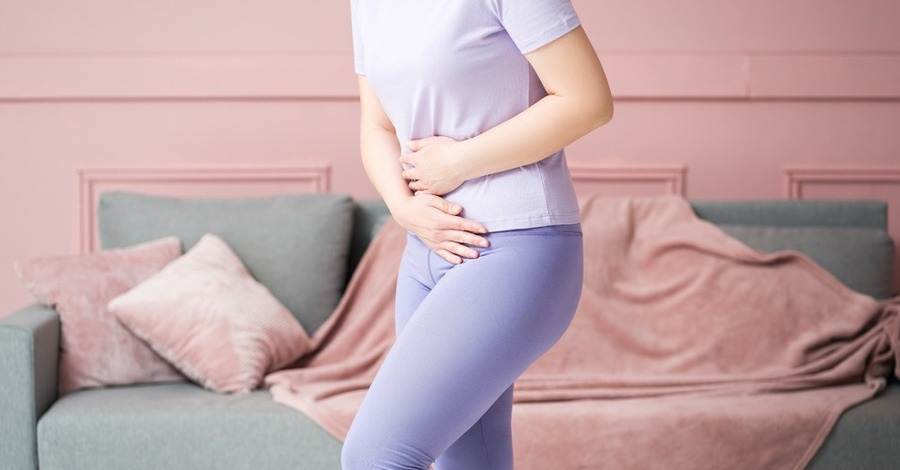
Chronic Pelvic Pain in Women: When to See a Gynecologist in Kennesaw, GA
Pelvic pain that lingers for months is not something you have to push through. Many women are told to expect painful periods or cramping, so they wait years before asking for help. If you are living with ongoing pain in your lower abdomen or pelvis, a gynecologist can help you find the cause and build a plan.
This guide explains what chronic pelvic pain is, what commonly causes it, which symptoms matter most, and when it is time to see a gynecologist in Kennesaw, GA.
What Is Chronic Pelvic Pain?
Chronic pelvic pain is pain in the lower abdomen or pelvis that lasts six months or longer. It can be constant or come and go, and it may be mild or severe enough to disrupt work, sleep, exercise, or intimacy. You do not need to wait six months to get checked. Pain that is getting worse, or that worries you at any point, deserves an evaluation.
Chronic pelvic pain is a symptom, not a diagnosis. It can come from the reproductive organs, the bladder, the bowel, the muscles and nerves of the pelvis, or a combination of these. That is why a careful evaluation matters.
Common Causes of Chronic Pelvic Pain
There is rarely a single cause, and more than one condition can be present at the same time. Common causes include:
-
Endometriosis: tissue similar to the uterine lining grows outside the uterus, often causing pain before and during periods, with intercourse, or throughout the month.
-
Fibroids: noncancerous growths in the uterus that can cause pressure, heavy periods, and pelvic pain.
-
Adenomyosis: uterine lining tissue grows into the muscle wall of the uterus, which can lead to heavy, painful periods and a feeling of pelvic heaviness.
-
Polycystic ovary syndrome (PCOS): a hormonal condition that can bring irregular periods and, for some women, pelvic discomfort.
-
Scar tissue or past infection: pelvic inflammatory disease or prior surgery can leave adhesions that cause ongoing pain.
-
Bladder conditions: bladder pain syndrome and recurrent urinary tract infections can feel like pelvic pain.
-
Pelvic floor muscle tension: tight or irritated pelvic floor muscles can cause aching, pressure, or pain with sex.
-
Digestive conditions: irritable bowel syndrome and constipation often overlap with pelvic pain.
Pain that follows a pattern, such as getting worse around your period, gives useful clues. Because not every cause is gynecologic, your provider may also look at your urinary and digestive health.
Symptoms to Pay Attention To
Chronic pelvic pain feels different from one woman to the next. You may notice:
-
A dull ache, sharp stabbing, burning, or pressure in the lower abdomen or pelvis
-
Pain during or after sex
-
Pain that gets worse before or during your period
-
Heavy, prolonged, or irregular bleeding
-
Pain with urination or bowel movements
-
Bloating, fullness, or a heavy feeling in the pelvis
-
Pain that spreads to the lower back or thighs
-
Fatigue or low mood tied to ongoing pain
Tracking when the pain happens and what makes it better or worse helps your gynecologist narrow down the cause.
When to See a Gynecologist
Make an appointment if pelvic pain lasts more than a few weeks, keeps coming back, or gets in the way of daily life. It is also time to book a visit if you notice any of the following:
-
Period pain that is getting worse or keeps you from work, school, or normal activities
-
Pain during intercourse
-
Heavy bleeding, bleeding between periods, or bleeding after menopause
-
Pelvic pain along with urinary or bowel symptoms that do not go away
-
Pain that does not improve with over-the-counter pain relief
-
Pelvic pain while you are trying to conceive
-
A sense that your symptoms are not being taken seriously
When Pelvic Pain Is an Emergency
Sudden, severe pelvic pain is different from chronic pain and can need urgent care. Call 911 or go to the nearest emergency department if you have severe pelvic pain with any of these:
-
Fever or chills
-
Fainting, dizziness, or a rapid heartbeat
-
Heavy bleeding that soaks through a pad or tampon every hour
-
Vomiting that keeps you from holding down fluids
-
A positive pregnancy test
What to Expect at a Pelvic Pain Appointment
Your visit starts with a conversation. Your gynecologist will ask when the pain began, where you feel it, how it changes through your cycle, and what you have already tried. Expect questions about your periods, sexual health, urinary and bowel habits, and medical history.
Depending on your symptoms, the visit may include:
-
A physical and pelvic exam
-
Testing for infection, when appropriate
-
Pelvic imaging, such as an ultrasound
-
Lab work
-
A referral for further testing or to another specialist if needed
Not every woman needs every test. The goal is to leave with answers, a plan, and clear next steps.
At Kennesaw Gynecology, the care team led by board-certified gynecologist Dr. Angel Paas evaluates concerns such as pelvic pain, abnormal bleeding, endometriosis, fibroids, PCOS, and bladder and pelvic health.
Treatment Options
Treatment depends on the cause, your symptoms, your age, and your goals, including whether you hope to become pregnant. A plan may include one or more of the following:
-
Medication, such as pain relievers, hormonal treatments, or antibiotics when an infection is present
-
Treatment of the underlying condition, such as endometriosis, fibroids, or a bladder condition
-
Pelvic floor physical therapy
-
Everyday supports such as heat, gentle movement, stress management, and good sleep
-
Procedures or surgery when other options are not enough or a structural cause is found
Chronic pain often has more than one contributing factor, so relief can take a combination of approaches and some follow-up. Your provider will explain your options, the trade-offs, and what to expect.
How to Prepare for Your Appointment
A little preparation helps you get more from the visit.
-
Keep a symptom diary for a few weeks, noting where the pain is, how strong it is on a scale of 1 to 10, when it happens, and what triggers it
-
Note your cycle dates and any changes in bleeding
-
List your medications, supplements, and anything you have already tried for relief
-
Bring past imaging, lab results, or surgical history if you have them
-
Write down your questions, including how the pain affects sex, work, and sleep
-
Have your insurance information ready
Frequently Asked Questions
Is chronic pelvic pain normal?
No. Mild cramping around a period is common, but ongoing or worsening pelvic pain is not something you have to accept. It is a good reason to get evaluated.
Can chronic pelvic pain go away on its own?
Sometimes symptoms ease, but persistent pain usually has an underlying cause that benefits from evaluation and treatment. Waiting can mean more months of discomfort.
Is it okay to talk about pain during sex?
Yes. Pain with intercourse is a common symptom and a useful clue. It is a routine part of a gynecology visit, and many causes can be treated.
Can pelvic pain affect fertility?
Some conditions that cause pelvic pain, such as endometriosis and fibroids, can be linked to difficulty conceiving. If you are trying to get pregnant, mention it at your visit so your plan fits your goals.
Do I need a referral to see a gynecologist?
Requirements depend on your insurance plan. Check with your insurer, or ask the office when you call.
Schedule a Visit at Kennesaw Gynecology
If pelvic pain is affecting your life, you do not have to wait for it to get worse. Kennesaw Gynecology provides personalized gynecologic care for women in Kennesaw, Cobb County, and surrounding communities.
-
Phone: (470) 308-3365
-
Address: 1595 Kennesaw Due West Road NW, Suite 100, Kennesaw, GA 30152
-
Office hours: Tuesday to Friday, 8:00 AM to 4:30 PM
Experience Compassionate Women’s Care You Can Trust
Schedule your appointment today and receive personalized gynecology care in a comfortable, welcoming environment focused on your health and well-being.